Town Hall Information
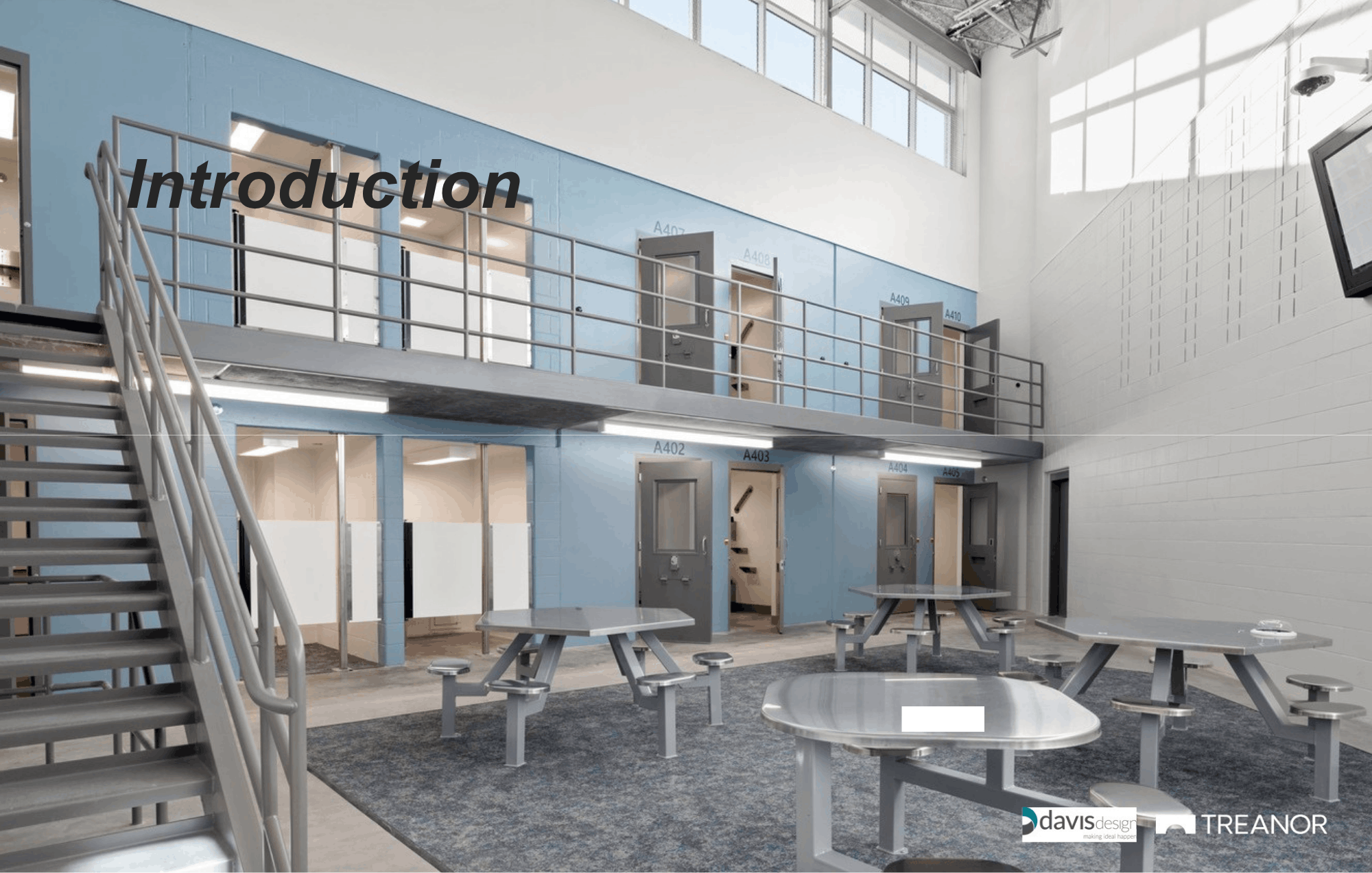
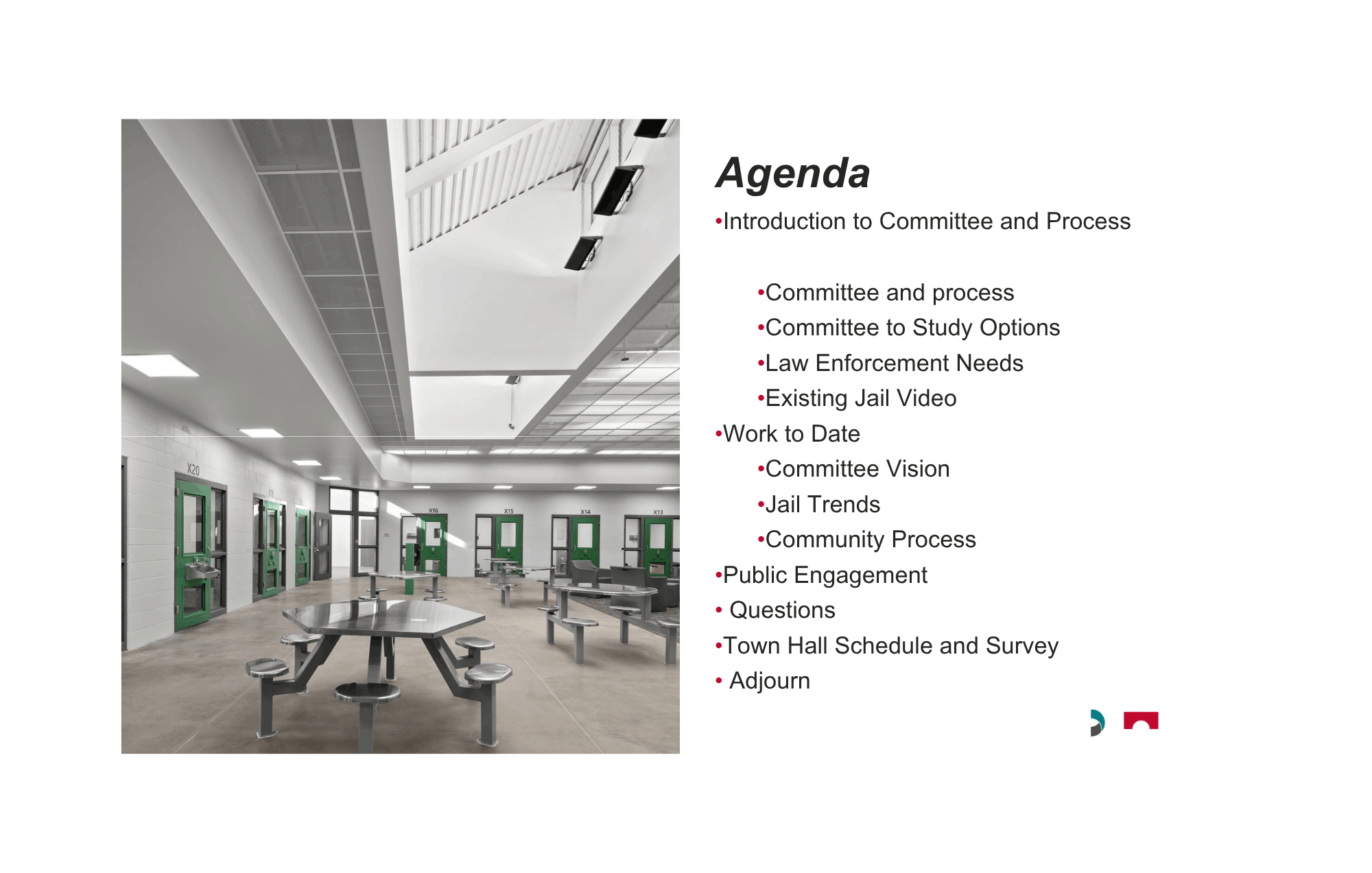
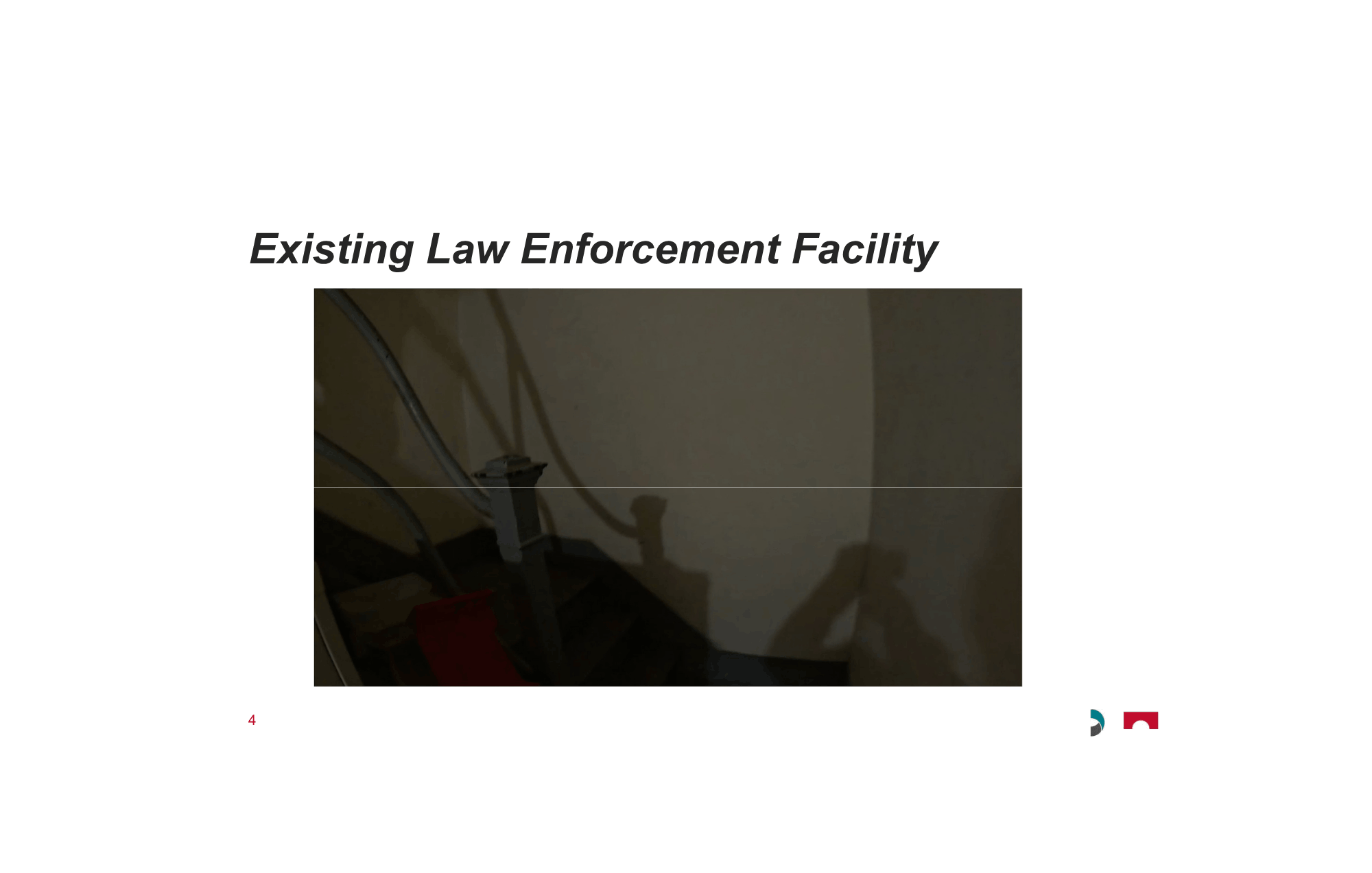
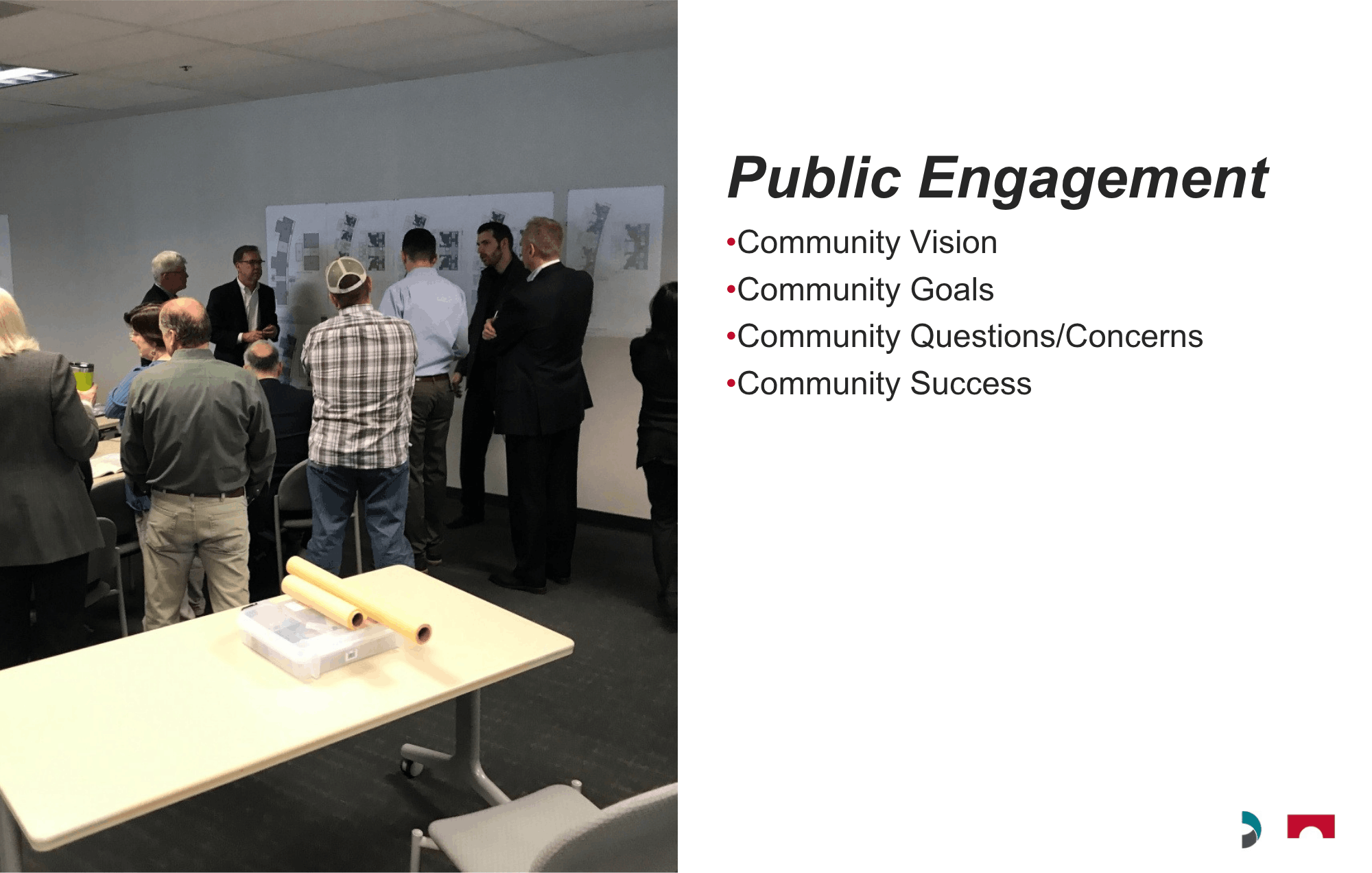
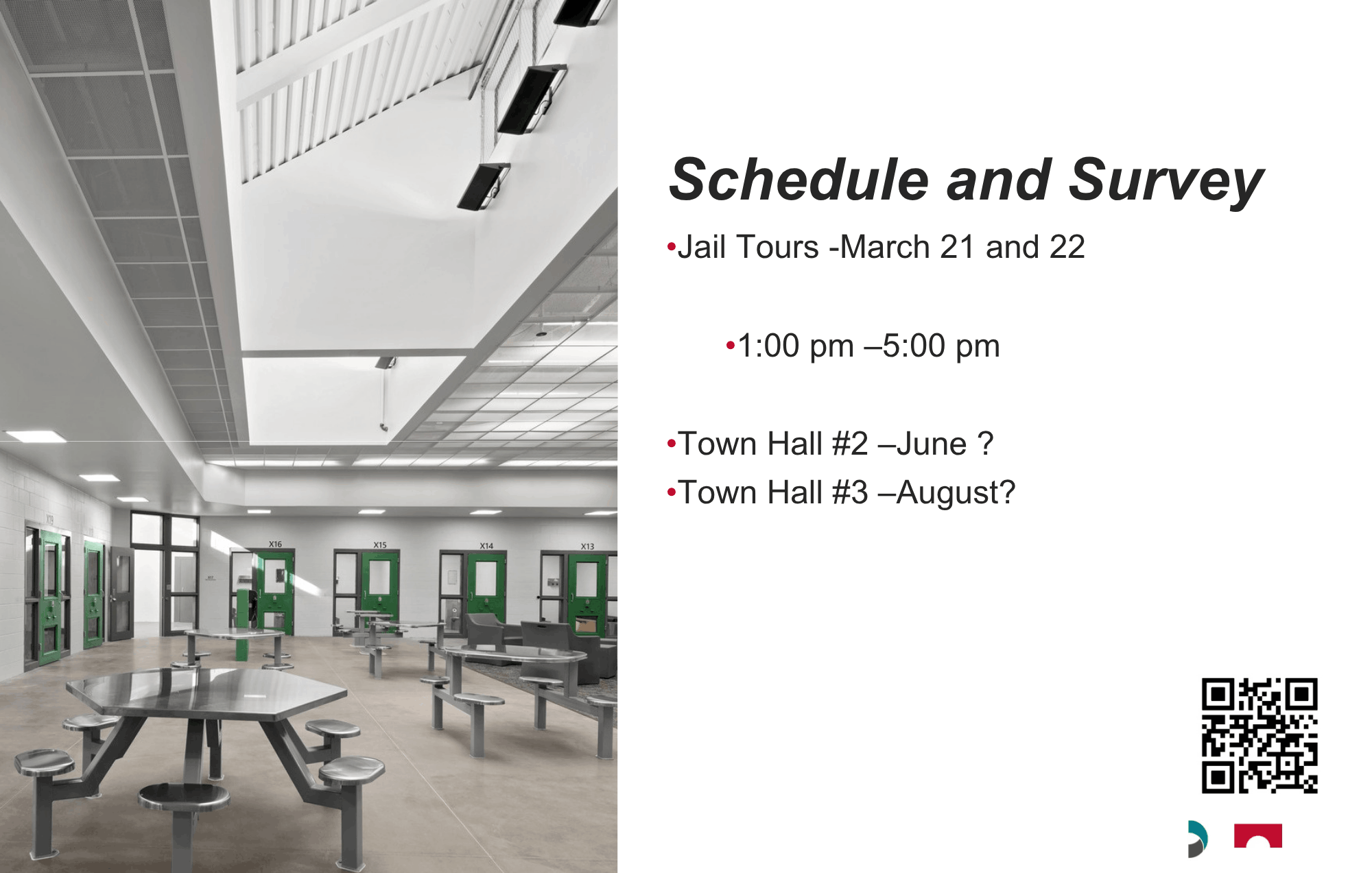
An overview is provided of the committee and its process, beginning with how the group was formed and its overall purpose. It explains the role of the Committee to Study Options, outlines law enforcement needs, and includes a look at the existing jail through video materials. The content highlights work completed to date and shares the committee’s vision moving forward, while also examining current jail trends that may influence future decisions. Emphasis is placed on the community process and public engagement, encouraging residents to ask questions and stay involved. Information about upcoming town hall meetings and a community survey is also included, concluding with final remarks and adjournment.

Executive Summary
The County is evaluating development of a new, modern public safety and detention facility to replace aging infrastructure that no longer meets current standards, capacity needs, or long‑term community expectations.
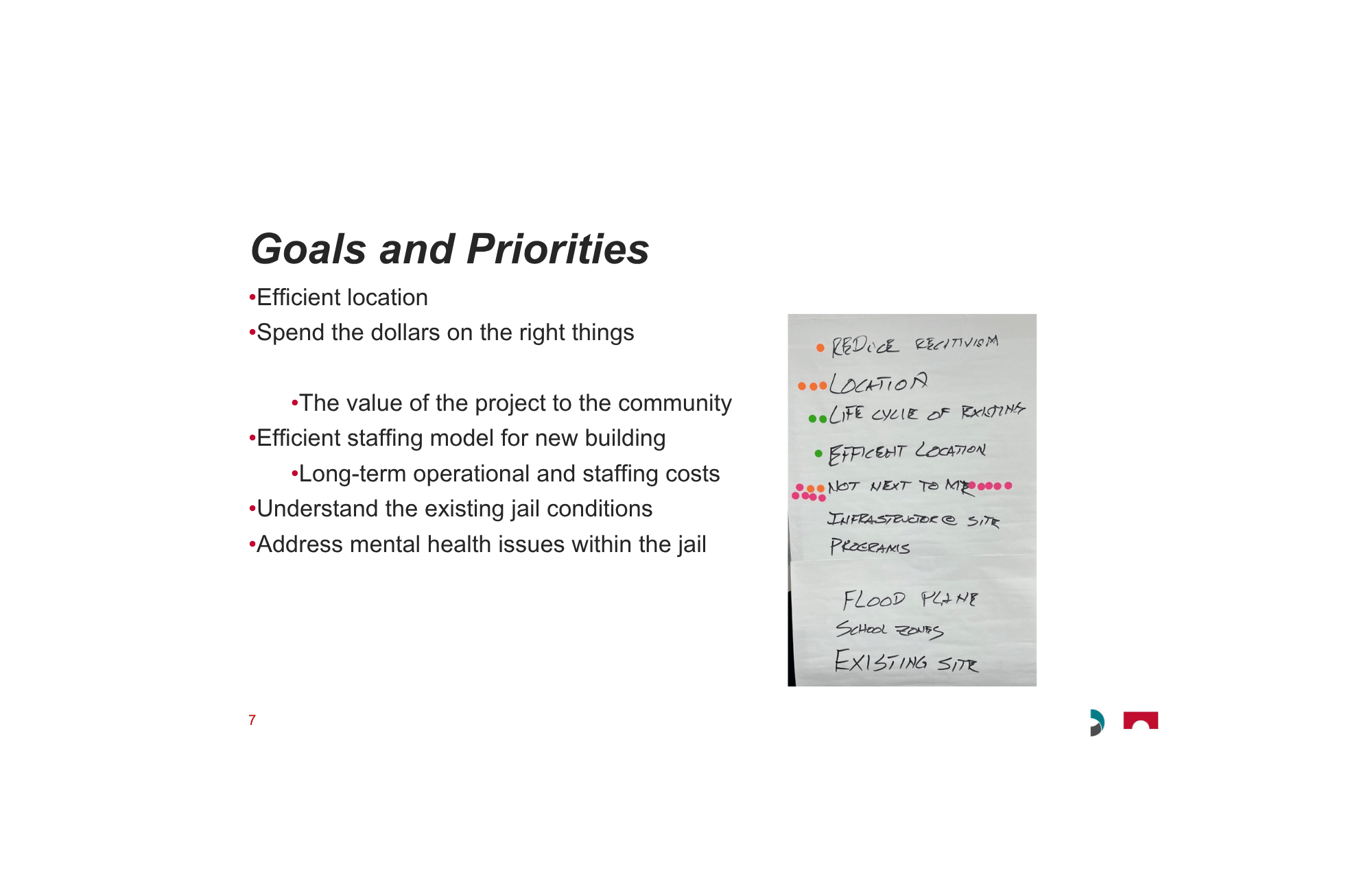
Community input consistently emphasizes the need for a facility that is safe, secure, cost‑efficient, and appropriately sized, with flexibility to serve the County for the next 50–100 years.
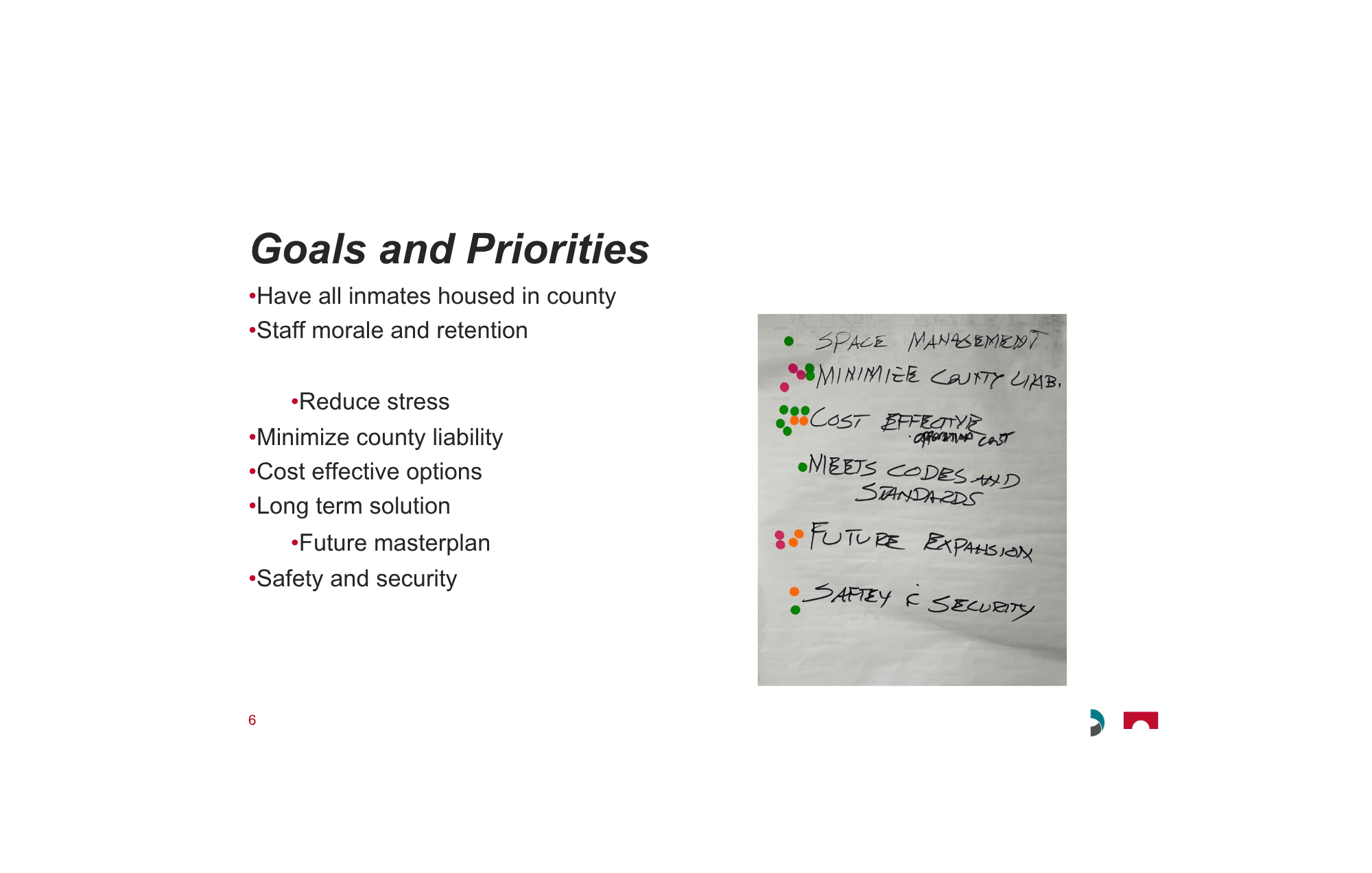
Key priorities include staff and public safety, operational efficiency, compliance with federal and juvenile requirements, and responsible use of taxpayer resources.
The facility is envisioned as a multi‑purpose Law Enforcement Center that consolidates critical functions, improves coordination, reduces duplication, and strengthens emergency response capabilities.
This effort reflects a long‑term investment in infrastructure, workforce stability, and quality of life—building the right facility, at the right size, in the right location, and doing it right the first time.
Briefing Memo
Purpose: Provide a concise overview to guide site selection, funding, and design decisions.
Background: Community engagement and stakeholder discussions highlight broad agreement that the current facility no longer meets safety, capacity, or operational needs. Maintaining the existing facility is not a sustainable long‑term solution.
Planning Framework: The following Vision, Goals, Questions/Concerns, and Success Criteria reflect consistent themes expressed by community members, staff, and stakeholders. This framework is intended to guide decision‑making throughout planning, design, and financing.